

Gemini 4 Argon is Google’s newest flagship model, built for real-world coding, enterprise knowledge work such as legal and finance, and cyber defense. In this article we dissect it: the model and its architecture, the numbers Google reported, the four safety layers, pricing and access. Then we step back and survey Google’s whole AI ecosystem, from Gemini 3.8 and voice and music to video, Notebook and the Googlebook laptop. Here we look under the hood, not just at the launch news.
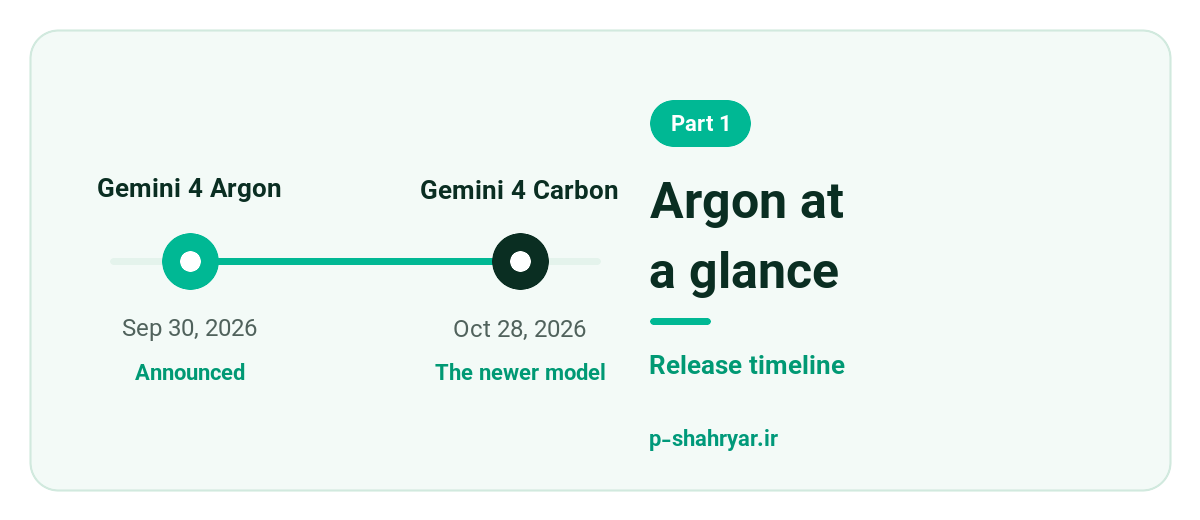
- Argon was announced on September 30, 2026; Gemini 4 Carbon followed four weeks later on October 28.
- One shared window of 1M tokens for input, thinking and output, with three thinking levels: low, medium and high.
- Google reports 77.9% on DeepSWE v1.1 and 91.7% on LVBench.
- Introductory price: $2 per 1M input tokens and $10 per 1M output tokens, only until November 30.
- Argon is one piece of a larger stack: Live, TTS, Lyria, Nano Banana, Notebook and agents.
- All figures below are Google’s own claims, not independent tests.
1. Gemini 4 Argon at a glance
Google presents Argon as its next frontier model, built for long, multi-step work such as real software engineering, financial and legal analysis, and cyber defense. The rollout is phased: trusted cyber defenders got access first through the Fairwind Program, then developers and customers. Google says the pre-release process with the US government has been part of that path.
On October 28, Google introduced Gemini 4 Carbon, calling it its strongest model, with a focus on cybersecurity and long-horizon work. Reports say it reaches cyber defenders first. This article centers on Argon because its documentation and availability are more complete.
2. Inside the model: one million tokens and thinking levels
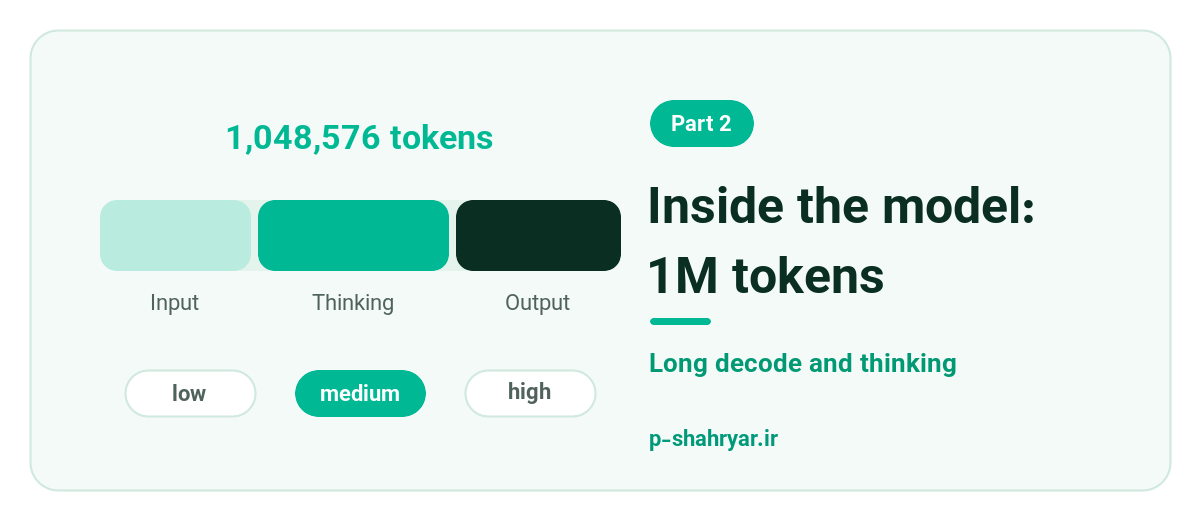
The biggest change in Argon is easy to miss: output. The output limit grew from 64K tokens to 1M tokens. Input, thinking and output now share one window of 1,048,576 tokens, so the model can think for hundreds of thousands of tokens and answer in one continuous run.
- Long decode: for responses beyond 64K tokens, use background execution and set max_output_tokens above 65,536; the server continues in hops.
- Three thinking levels: low for light and cheap work, medium as the default for most tasks, high for hard math, science and code.
- Caching: explicit caching is not supported; implicit caching is on for prompts of at least 4,096 tokens and discounts cached input by 95%.
- Sampling parameters: temperature, top_p and top_k are ignored.
- Agents: the Antigravity agent in Gemini Managed Agents supports Argon, and agentic video understanding is generally available.
3. Argon on benchmarks: the numbers Google reported
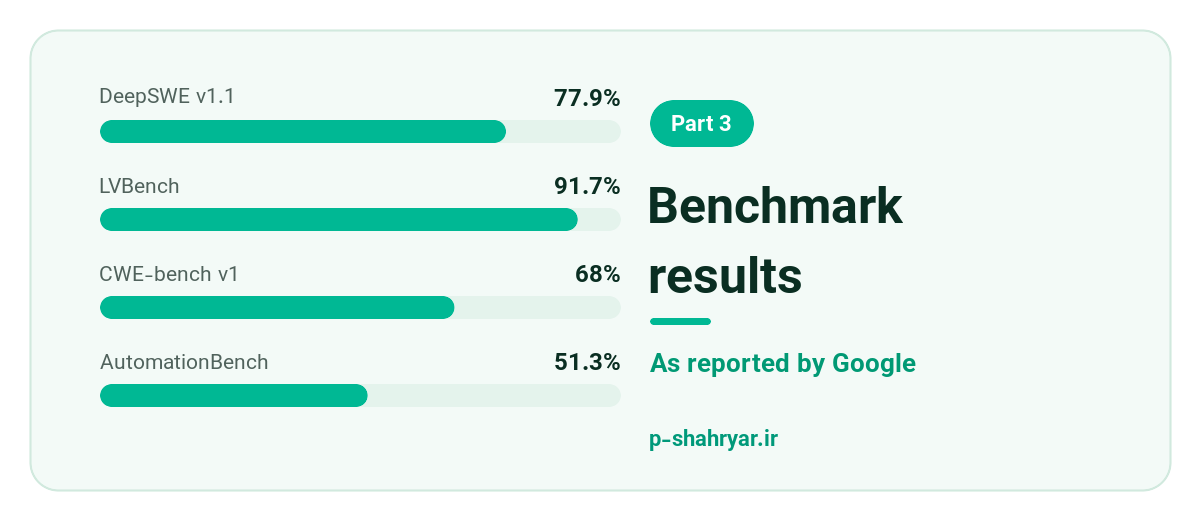
- DeepSWE v1.1: 77.9%, a new state of the art in long-horizon software engineering.
- LVBench: 91.7% on long-video understanding.
- AutomationBench (Zapier): 51.3%, ranked first.
- CWE-bench v1: 68% on fixing vulnerabilities, tied for first.
- First place on the Vals Index, and strong results on Vals Finance Agent and Harvey’s legal benchmark.
One caveat: these are results Google itself published. Until more independent tests appear, treat them as directional, not as a final verdict.
4. What Argon has done inside Google
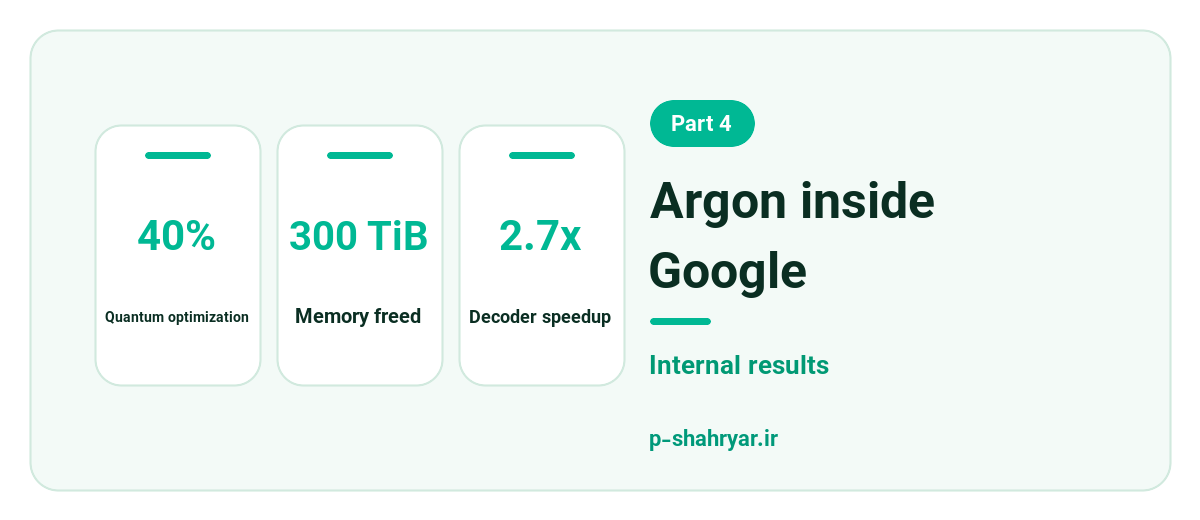
- Quantum algorithm: in one example, it beat the published baseline on resource use (qubits x gates) by 40%, in minutes.
- Data-center memory: a team of Argon agents analyzed profiling data and freed over 300 TiB of memory, with total savings estimated at 500 TiB to 1 PiB.
- C/C++ to Rust migration: from small libraries up to 800K+ lines for the Fuchsia Zircon kernel, with heavy auditing before production.
- libgav1: a memory-safe Rust video decoder that runs 2.7x faster than the earlier Rust port, with identical output.
5. Four layers of safety before broad release
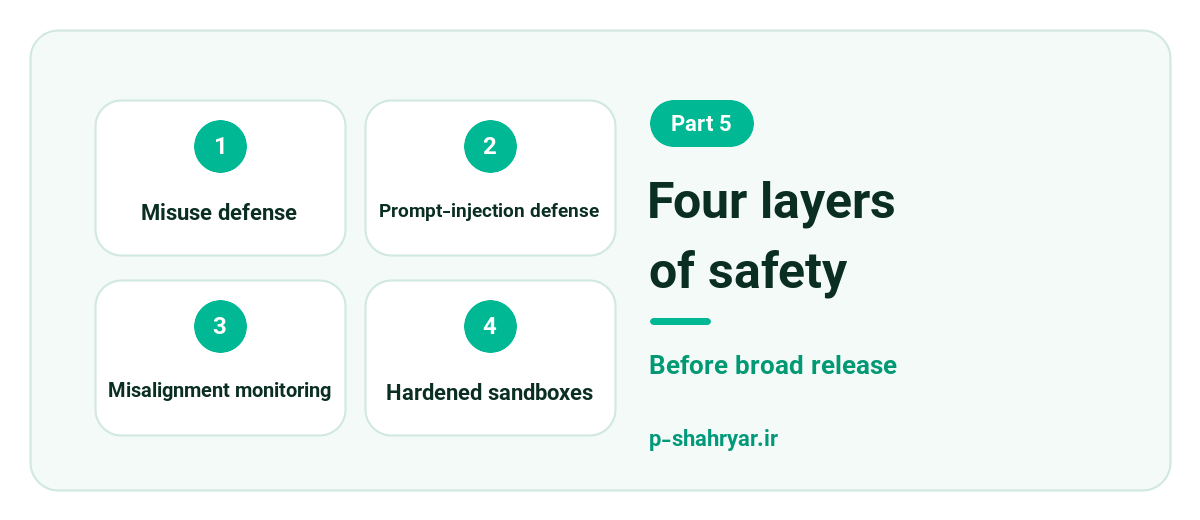
- Defending against misuse: refusing harmful requests (cyber and CBRN) while monitoring internal activations, tested by red teams.
- Defending against prompt injection: Google calls Argon its most resilient model and leading on the Gray Swan benchmark.
- Monitoring for misalignment: oversight of the chain of thought and actions, stopping execution when needed.
- Hardening systems: isolating and sealing sandboxes before high-risk training and evaluations.
For trusted defenders, Argon ships without cyber guardrails. Wiz, for example, used it to find a serious vulnerability in healthcare software used by hospitals worldwide.
6. Pricing and access
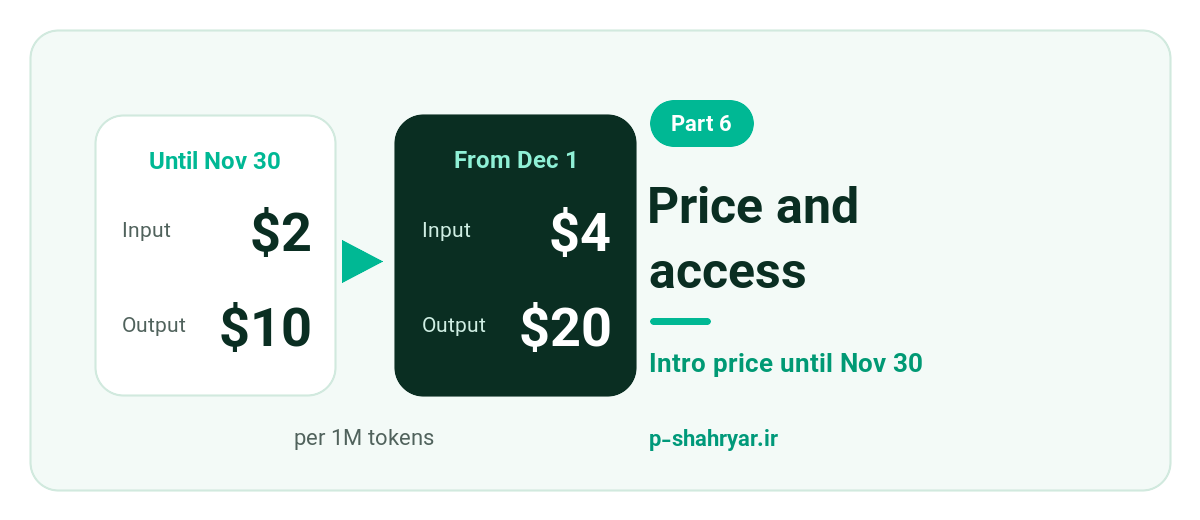
| Period | Input (per 1M tokens) | Output (per 1M tokens) |
|---|---|---|
| Introductory (until Nov 30) | $2 | $10 |
| Afterwards (from Dec 1) | $4 | $20 |
Argon is available as gemini-4-argon through the Gemini API and Google AI Studio and is not offered on the free tier. Thinking tokens are billed as output, so choose the thinking level carefully.
7. Beyond Argon: Google’s AI ecosystem
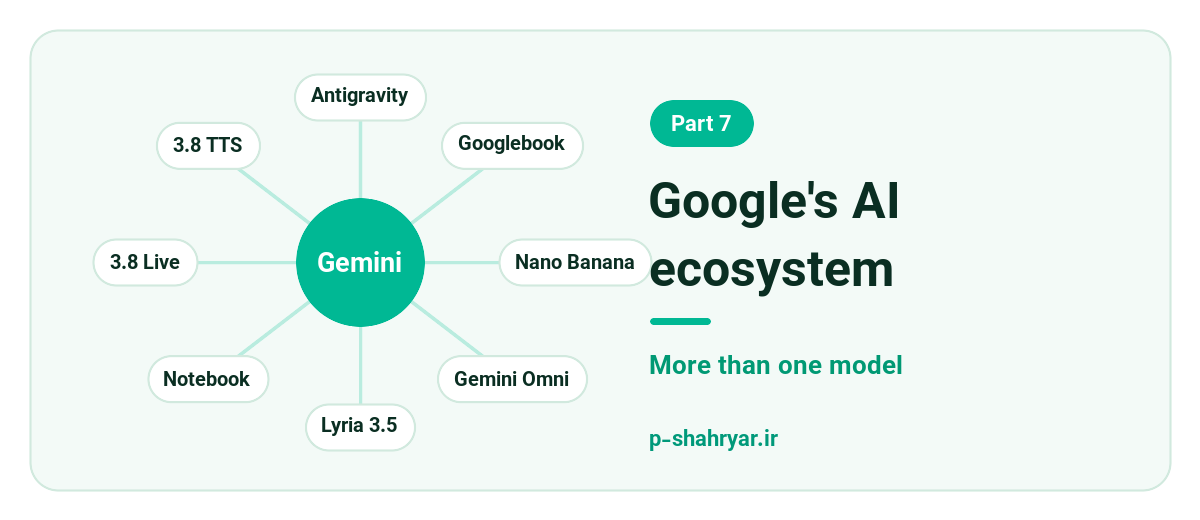
Argon is only the peak. According to Google’s September recap, the Gemini ecosystem includes:
- Fast, cheaper models: Gemini 3.8 Flash and its Cyber variant for finding and patching vulnerabilities.
- Voice: Gemini 3.8 Live and Live Extended Thinking for natural conversation, plus Flash TTS and Flash-Lite TTS for custom voices and scene dialogue.
- Music: Lyria 3.5 for making songs from text or images.
- Images and video: Nano Banana and Gemini Omni inside the Gemini app.
- Gemini Notebook: flashcards, quizzes and 60-second video overviews in over 80 languages.
- Connected Apps: Adobe, Webflow, Airtable, Linear and more, linked into Gemini.
- CC in Google Labs: a group agent for family schedules and logistics.
- Gemini on Windows and Googlebook: an Alt + Space shortcut and an Android-based laptop with features like Magic Pointer.
- Science: WeatherNext 3 for forecasting, AlphaGenome Atlas for the human genome and MAPL-EMIT for tracking methane from space.
8. What it means for YouTubers and content creators
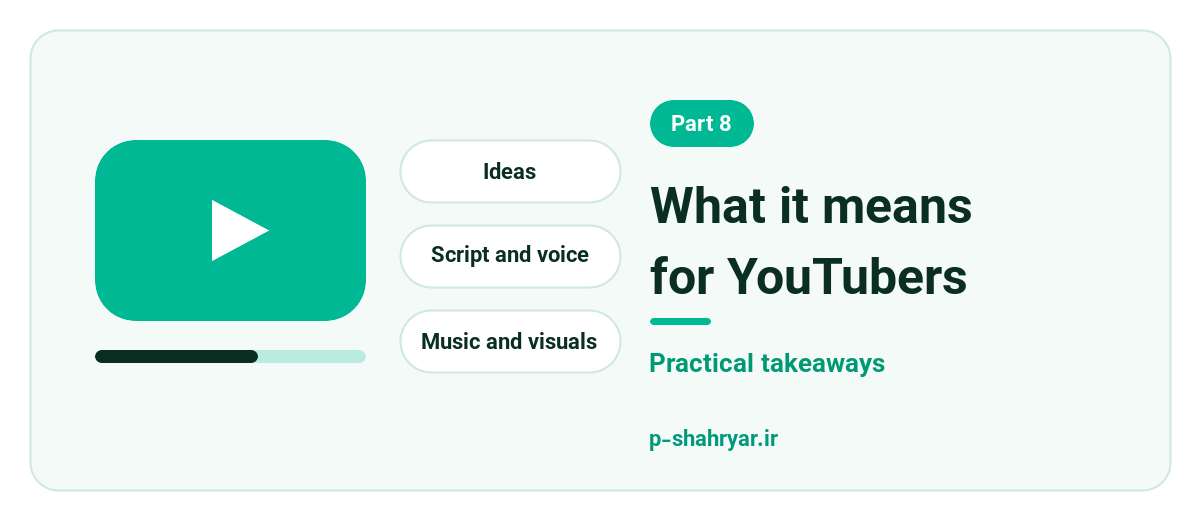
Argon itself is built for coding and enterprise work, but the ecosystem around it is attractive for content creation:
- Ideas and scripts: a huge window lets you analyze several rival videos and your channel data together.
- Voice and dubbing: TTS and Live models for voice-over and multilingual versions.
- Music and visuals: Lyria for background music and Nano Banana for thumbnails.
- Automation: agents and Connected Apps for repetitive work like content calendars.
My advice: before the introductory price ends, test one small real project at the medium level and measure the cost.
Conclusion
Gemini 4 Argon shows the race has moved from “smarter” to “longer-running and more dependable”: a one-million-token output, agents that work for days and multi-layer safety. But the real value for us lies in the whole ecosystem, not a single model. Have you tried Argon yet? Share your experience in the comments.
FAQ
Is Gemini 4 Argon free? No. It is not offered on the free tier of the Gemini API.
What is the difference between Argon and Carbon? Carbon is the newer model (October 28) with a stronger focus on cybersecurity and multi-day tasks, but it reaches cyber defenders first.
Can I trust the benchmark numbers? They are Google’s own reports; test on your own workload before making important decisions.
Sources: Gemini 4 Argon announcement · Gemini API docs · Google AI updates, September 2026 · Quartz on Gemini 4 Carbon

Leave a Comment